
























How to build WhatsApp marketing automation around the customer journey
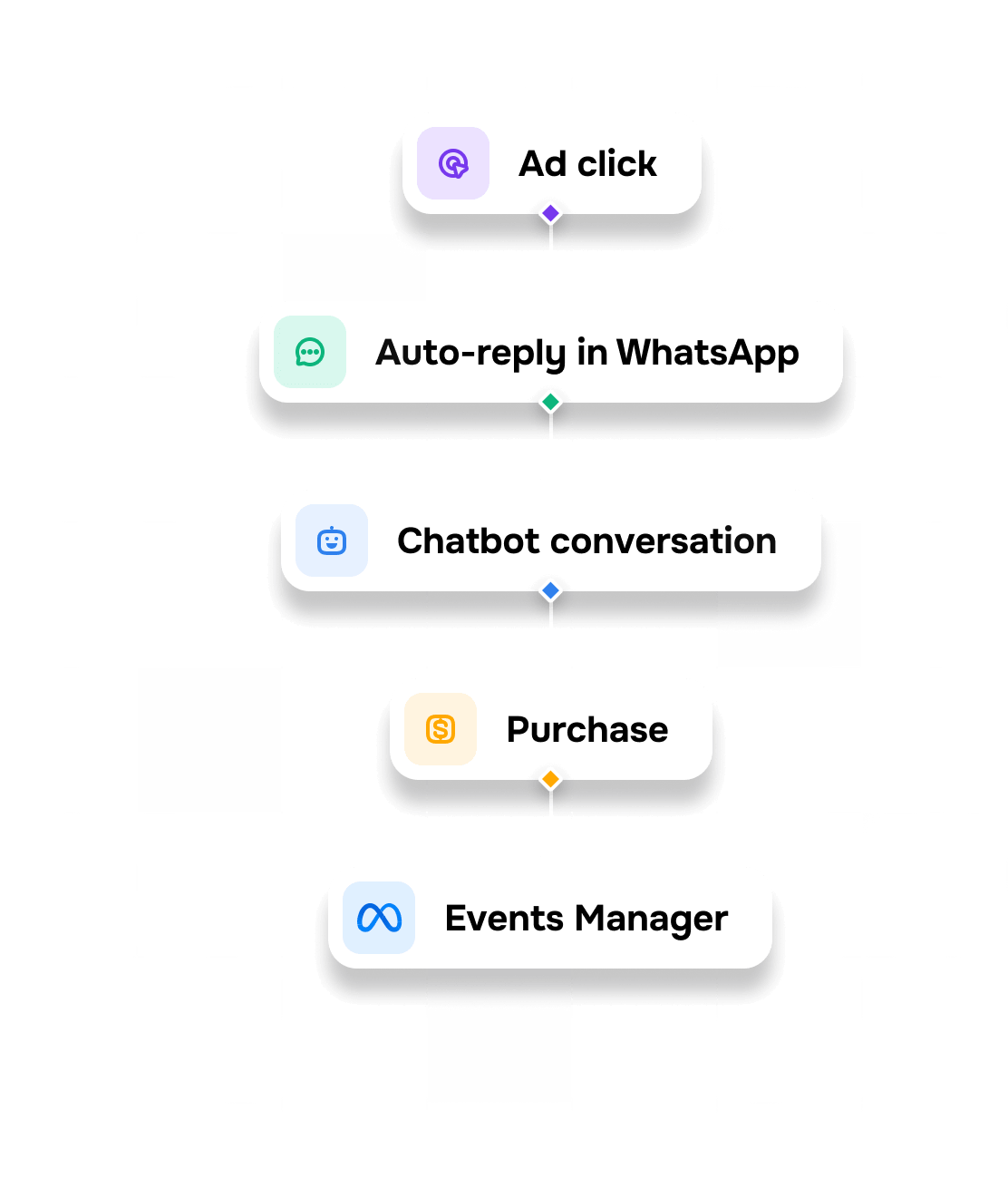
Effective WhatsApp marketing automation starts with a clear customer action and moves the person toward a relevant next step. The strongest flows automate repeatable parts of the journey, keep each message tied to its context, and leave room for a team member when a request needs personal attention.
1. Choose which parts of the journey to automate
What to do. Start with repeatable steps that follow a clear pattern and don’t require a team member to make a case-by-case decision.
When to use it. Customers repeatedly reach the same point in the journey and the next step is predictable.
How to set it up:
- Map what customers do before and after this point in the journey.
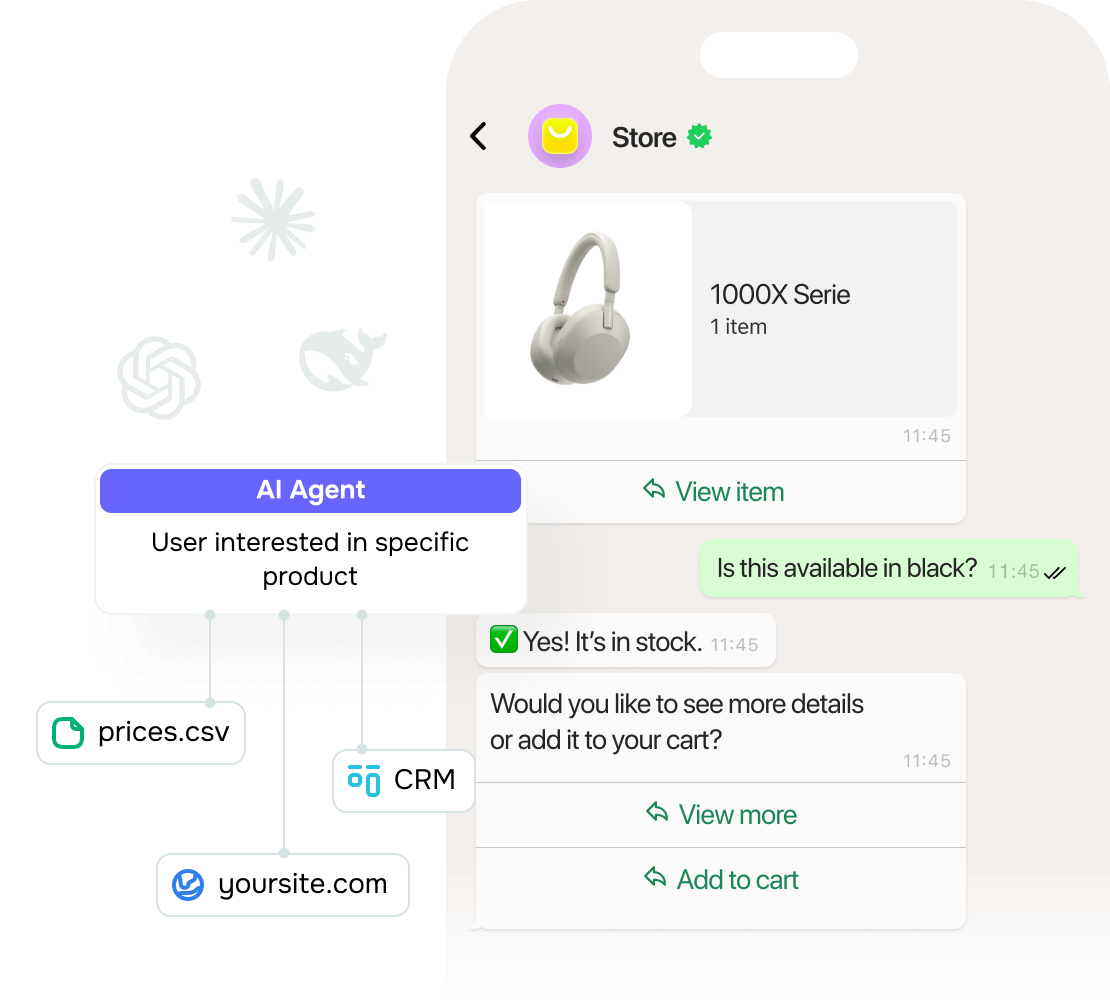
- Decide which replies the flow can handle on its own.
- Keep each flow focused on one purpose.
- Send unusual or unclear requests to your team.
Example. A webinar provider automates the steps that follow registration: confirmation, essential event details, and a reminder before the session. Questions about a participant's specific situation go to the team.
2. Start each flow with a meaningful trigger
What to do. Launch a flow when a customer action creates a clear reason for the next message.
When to use it. A customer takes an action, or doesn't take an expected one, and needs different information as a result.
How to set it up:
- Define the exact event that starts the flow.
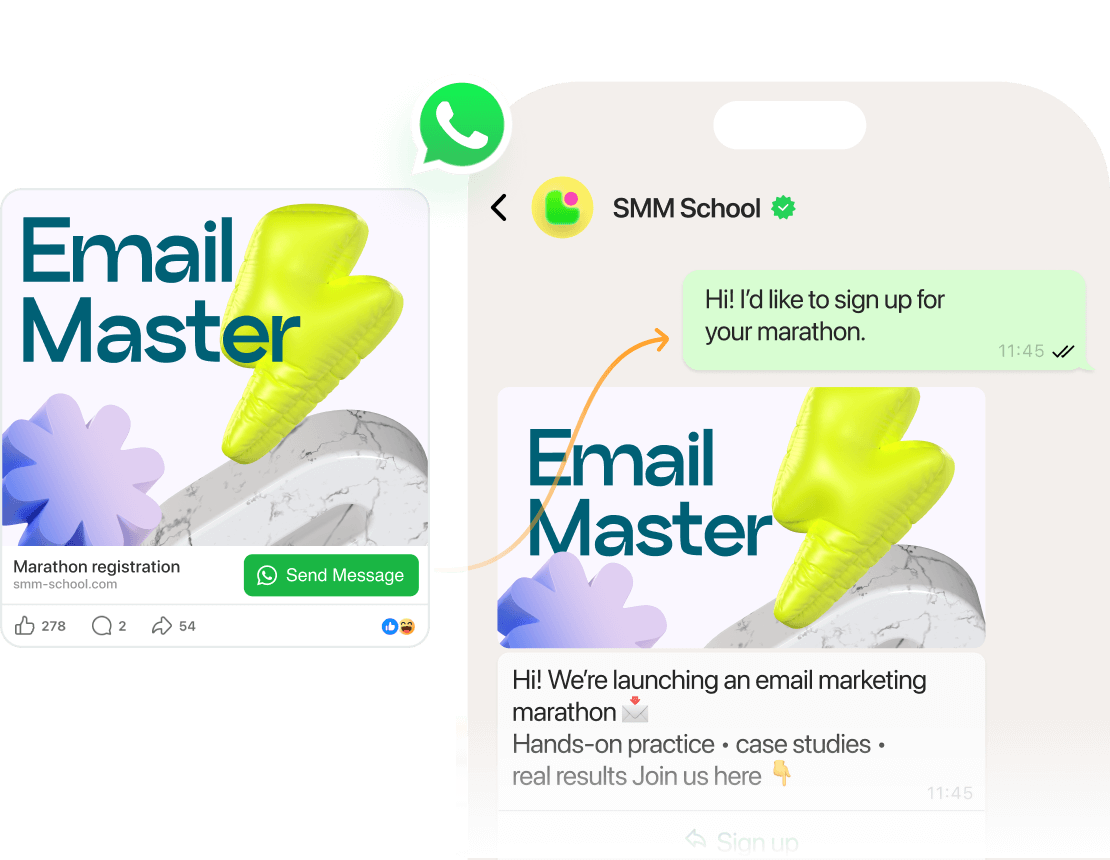
- Make sure the first message reflects what just happened.
- Avoid triggers that send messages unrelated to what the customer did.
- Use follow-ups only when there is still a relevant next step to complete.
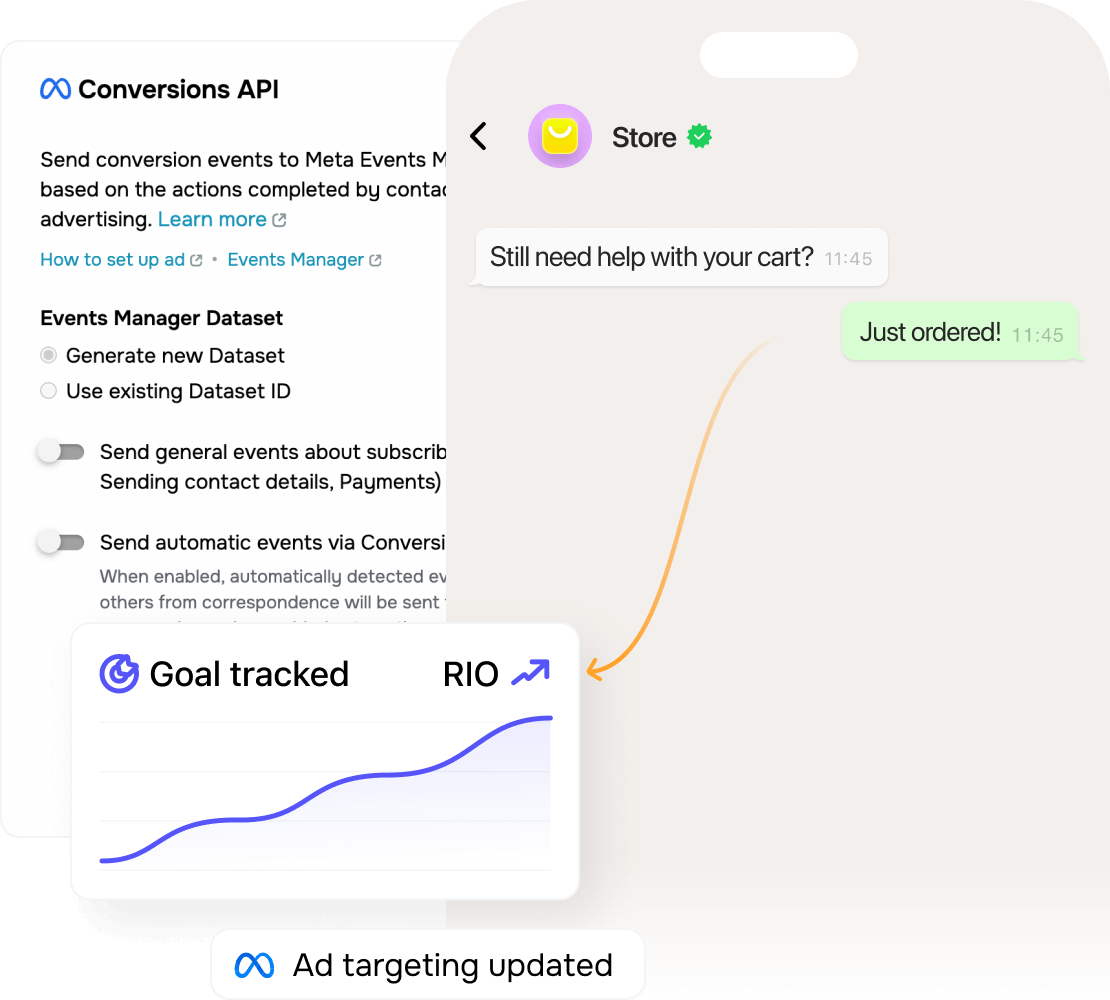
Example. A customer adds a jacket to their cart but doesn't check out. The flow starts from that abandoned cart and sends a short message with the jacket and a link to finish the order.
3. Give every flow a clear path forward
What to do. Make it obvious why the message appeared and what the customer can do next.
When to use it. You run a multi-step flow where people could forget why they're getting the message or reach a dead end.
How to set it up:
- Open by explaining why you're writing.
- Give the customer one clear next action.
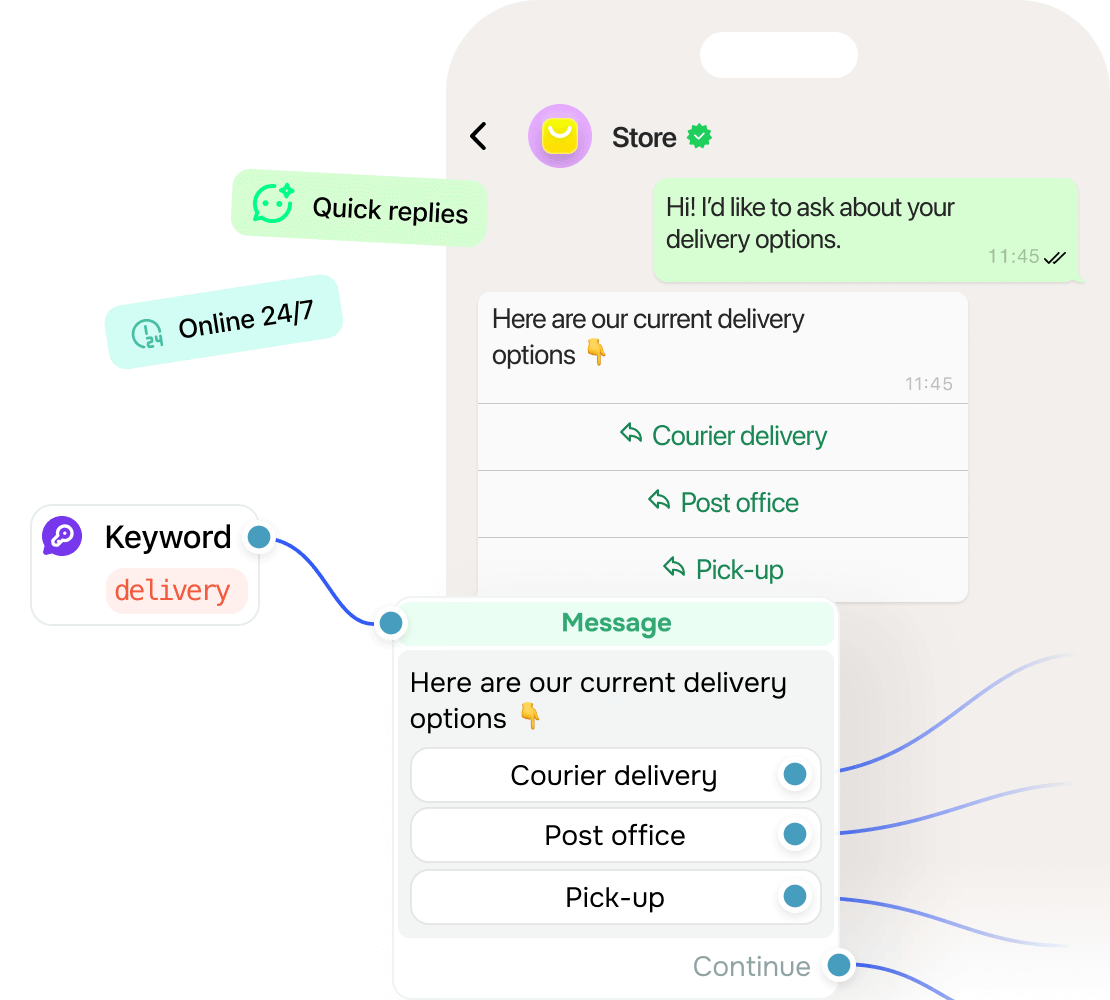
- Make each branch lead somewhere useful.
- Add a fallback for replies the flow can't handle.
- End the flow once it has done its job.
Example. A fitness club follows up with someone who asked about membership prices last week. The message reminds them of their question and offers one next step: "Book a free trial." If their reply doesn't match any option, a team member takes over.



or